
Le réchauffement climatique aura-t-il raison des AOP françaises ?
Dans le vignoble français, l’heure est au réchauffement climatique. Les aléas météorologiques (douceur hivernale, gel printanier, grêle, sécheresse…) se multiplient, dénaturant petit à petit le goût-même des AOP que l’on connaît. Si toutefois récolte il y a. Les cahiers des charges vont-ils évoluer ? Les vignerons français devront-ils emprunter les cépages et les techniques employées dans le Nouveau Monde pour continuer à produire du vin ? Alerte spoiler : c’est déjà le cas.
Un savoir-faire viticole français en péril ?
Il y a peu, un vigneron du Languedoc m’a contacté afin de commander du vin blanc grec. La raison ? Les cépages présents sur ses parcelles, habituels pour la région, ne sont plus adaptés au climat. Les sécheresses à répétition et les fortes chaleurs commencent à avoir raison de ses plantations et il cherche une solution.
Ceps en péril.
Degrés trop élevés.
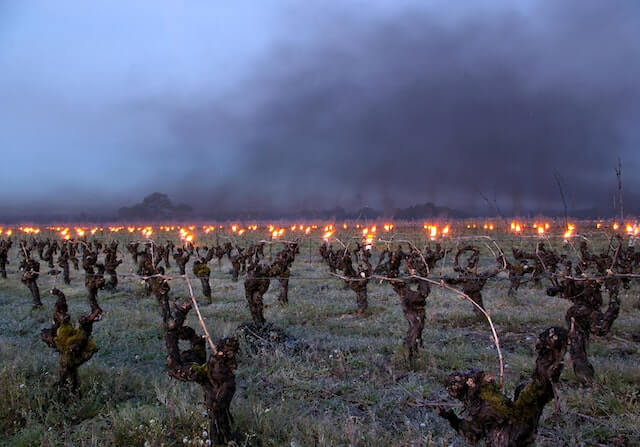
Gel printanier destructeur.
Grêle qui anéantit les récoltes…
Partout en France, mais aussi en Espagne ou en Italie, le climat bouleverse les habitudes et les traditions, d’abord des agriculteurs, puis par extension celles des consommateurs. Ce vigneron languedocien, comme des milliers d’autres, fait face à des choix drastiques pour simplement continuer d’exister. Car ce n’est pas seulement son savoir-faire qui est en péril, c’est son activité-même.
Conserver ses AOP ?
À l’avenir, ce vigneron pourrait choisir le confort de la tradition et vouloir absolument conserver ses AOP (appellation d’origine protégée), avec leurs critères et leur cahier des charges très précis.
Le système des AOP est fascinant, que ce soit en France ou dans tous les pays qui possèdent un système similaire. Il promeut évidemment un haut degré de qualité. Mais il est aussi conçu sur des conditions et un climat qui resteraient figés pour l’éternité. Or, si les conditions changent, si les degrés augmentent ou que les récoltes sont impossibles à cause des calamités, alors le système finit par s’effondrer. En tout cas, si l’on refuse d’évoluer.
Des changements arrivent toutefois. Par exemple, l’irrigation autrefois honnie fait son apparition pour certaines AOP du sud. Pourquoi pas. Mais que fera-t-on quand l’eau viendra aussi à manquer ? Ces mesurettes ne font que retarder l’inéluctable. Et en plus, cela coûte cher.
Sortir du système AOP ?
Mon client viticulteur languedocien a aussi le choix de sortir du système pour s’affranchir des règles strictes des AOP.
Les syndicats des AOP sont de puissants soutiens au niveau du conseil en viticulture, en vinification et en commercialisation. Ils tissent des réseaux, organisent des événements, accompagnent à l’export. Et puis les consommateurs sont rassurés par ces AOP. Ils savent à quoi s’attendre quand ils achètent leurs bouteilles.
Sortir du cadre, cela signifie donc se débrouiller seul, repartir de zéro. Pour les clients habituels, pas de problème, ils connaissent l’adresse. En revanche, pour trouver de nouveaux clients, cela devient compliqué sans l’argument AOP. La meilleure stratégie est encore d’y aller progressivement en proposant des vins de pays au côté des AOP.
Mais là encore, si les clients de ce vigneron sont habitués à un certain goût, resteront-ils fidèles si le climat modifie la nature même des vins ? Encore une fois, si récolte il y a…
Explorer de nouvelles voies en s’inspirant des vignerons étrangers ?
L’immuabilité est rassurante, mais elle est dangereuse sur le long terme, car le monde évolue en permanence, et plus vite qu'avant. Les technologies et les produits qui disparaissent ne disparaissent que parce qu’ils ne sont plus adaptés aux besoins. Autrement dit, un viticulteur qui n’évolue pas va finir par se heurter à des écueils liés au changement climatique, à l’évolution des goûts des consommateurs ou encore aux contraintes techniques et économiques.
Plus que jamais, le vigneron a besoin de devenir une marque attractive, audible, différenciante et inspirante. Le vin ne se vend plus seul. Il doit avoir une histoire, une authenticité, être marketé, être adapté au marché pour faire face à la concurrence d’autres boissons.
Et ça, les vignerons du Nouveau Monde l’ont compris dès le départ.
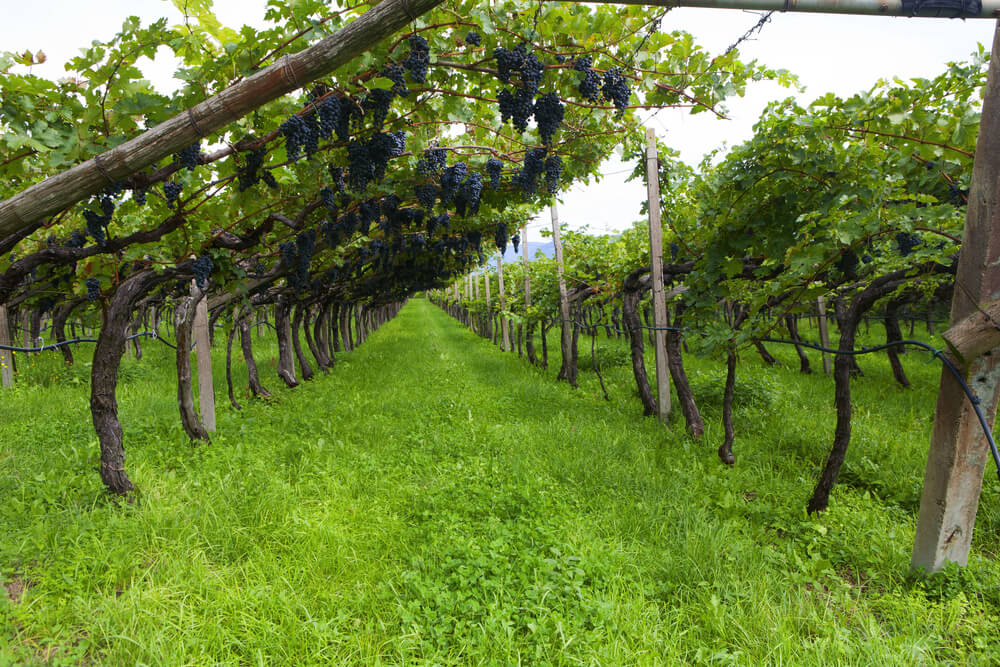
En quoi serait-ce un crime de planter du Tempranillo en Bourgogne s’il s’avère que le sol calcaire de la région est adapté ? Pourquoi l’élevage en amphore n’est-il pas plus développé ? Dans quelle mesure la culture en pergola ou autre est un problème si la qualité du raisin obtenu est optimale et qu’elle renforce la biodiversité tout en protégeant des brûlures ? Qu’est-ce qui empêche de commercialiser des assemblages improbables comme le fait l'australien Chester Osborn avec son Wild Pixie (Shiraz et Roussanne) que je vends ? Rien. Enfin si : la tradition.
(Edit - 15 mars 2023) Lors d'un récent webinaire, un représentant des pépinières Mercier en France évoquait justement le travail de l'entreprise concernant la recherche de nouveaux cépages. Via le programme Nathy, la société Mercier commercialise déjà de nouvelles variétés, plus résistantes aux maladies et aux aléas, avec des caractéristiques organoleptiques très intéressantes. Problème : ces nouveaux cépages ont un goût légèrement différent de ce qui est connu ou ne collent pas forcément aux cahiers des charges des AOP. Conserver la tradition au risque de disparaître ? Ou s'adapter ? L'avenir s'annonce plein de surprises et nous promet de jolies découvertes gustatives.
Le savoir-faire n’appartient pas qu’aux vignerons français
Sans exploration, sans expérimentation, alors notre monde est condamné aux habitudes, au conformisme, rassurant, mais parfaitement fade. Je milite pour faire connaître le savoir-faire des vignerons étrangers, car ils apportent cette fraîcheur et cette liberté d’esprit qui finissaient par manquer dans les principaux pays producteurs comme la France.
Le savoir-faire viticole français a inspiré (et inspire toujours) de très nombreux vignerons dans le monde. L’objectif pour eux n’a jamais été de reproduire les mêmes vins, mais bien de s’inspirer des techniques pour les adapter localement. Aujourd’hui ces vignerons du Nouveau Monde excellent par la qualité de leurs produits, leur approche du vin et leurs innovations.
Ils osent aller plus loin, se tournent vers l’avenir et l’innovation sans oublier d’où ils viennent, s’adaptent aux changements, façonnent le monde du vin de demain. Les vignerons français y ont aussi leur place, à condition d’accepter de jouer avec ces nouvelles règles.
Les cavistes en ligne au secours des vignerons ?
Une difficulté subsiste : comment les consommateurs peuvent-ils s’y retrouver face à une offre toujours plus diverse ? La création des appellations visait à faciliter la lecture du marché, pratique pour la vente en grande surface. Mais si les AOP telles qu’on les connaît aujourd’hui venaient à disparaître, alors les consommateurs auraient 3 choix :
- arrêter de boire du vin
- passer du temps à explorer et tester par eux-mêmes
- s’appuyer sur les conseils de cavistes explorateurs qui tentent humblement, comme moi, de leur faire découvrir des trésors en vue d’une expérience gustative passionnante
Ma cave en ligne est aujourd’hui l’une des plus diversifiées d’Europe, avec plus de 30 (bientôt 40 ?) pays à découvrir. Ce travail n’a qu’un objectif : montrer que ce n’est pas le pays qui compte pour faire du bon vin, mais bien la passion du vigneron, où qu’il soit dans le monde.
En Belgique, les vignerons ont déjà tout compris !
Partager ce contenu