
Êtes-vous prêt·e à consommer des vins élaborés par une IA ?
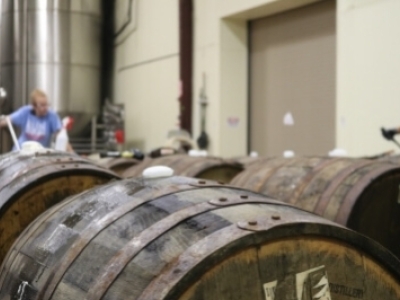
Un produit aussi noble que le vin peut-il encore être bon à consommer s’il n’est plus créé à 100 % par des humains ? Vaste question. L’intelligence artificielle envahit petit à petit l’univers viticole et de plus en plus de vignerons semblent prêts à l’utiliser dans le processus de conception des vins. Qui sait, vous-même avez peut-être déjà sans le savoir goûté l’une de ces cuvées produites par l'IA…
Intelligence artificielle : de la recommandation à la vinification
Dans mon précédent article, j’évoquais le développement de Tastry et la petite révolution qui l’accompagnait en matière de recommandation de vin aux consommateurs.
Après la sortie de ses applications BottleBird puis Tastry Uncorked, Katerina Axelsson, la fondatrice de Tastry, envisageait déjà un autre projet.
Avec l’immense quantité de data accumulée grâce à l’analyse des vins de ses partenaires, Tastry a pu également devenir un service à la pointe de la technologie pour accompagner directement l’ensemble du monde viticole.
Grâce à l’intelligence artificielle, la start-up est en mesure d’identifier une grande quantité de données telles que les composés chimiques et les profils aromatiques de chaque vin et de « prévoir » si ce vin sera apprécié par les consommateurs.
(Je vous invite un court instant à méditer au sujet des implications de cette technologie sur toute la filière du vin pour les années à venir.)
La winetech et l’IA bouleversent la production de vin
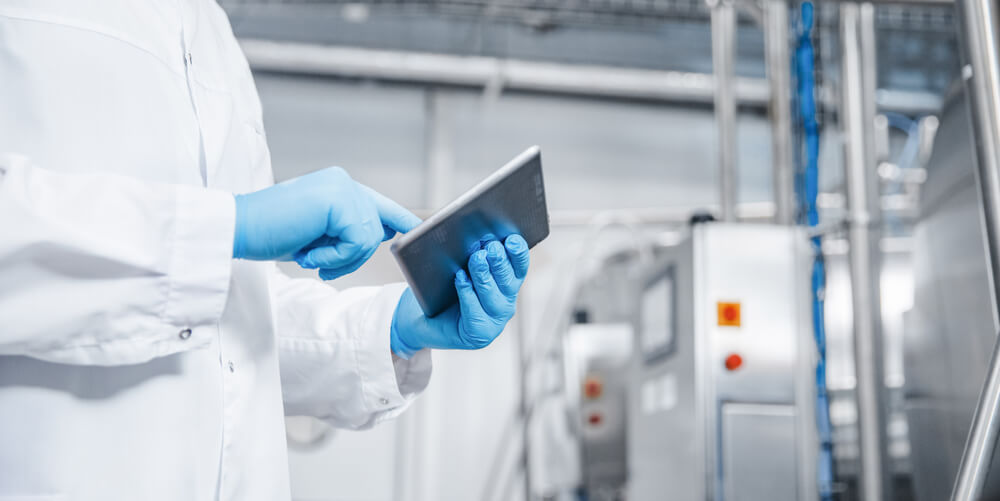
De nombreuses startups en Belgique, en France, en Australie ou encore aux États-Unis cherchent à accompagner les acteurs du vin, le processus de vinification et la conduite des vignobles. Dans ce business, Tastry a une petite longueur d’avance. L’entreprise propose aujourd’hui plusieurs solutions à destination des viticulteurs dont :
- CompuBlend : un outil d’analyse des profils de saveur et des données chimiques des cuvées, utile pour déterminer quels assemblages seraient susceptibles de plaire aux gens
- Insights Dashboard : un tableau de bord qui compare les données chimiques d’un vin (ou des raisins) à celles de vins concurrents et les met en rapport avec les goûts des consommateurs
- Tastry Uncorked : un plug-in de site web pour les vignobles et les revendeurs visant à accompagner les acheteurs dans leur expérience de dégustation et le choix des vins
Pourquoi des vignerons utiliseraient-ils l’intelligence artificielle ?
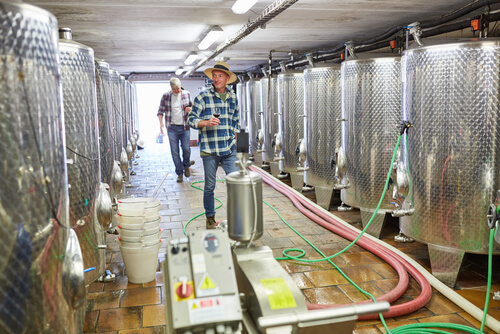
Dans l’imaginaire collectif, le vigneron (ou la vigneronne) connaît son métier et son terroir. Il est le garant d’un savoir-faire et de traditions qui font toute la beauté du vin. Nous aimons à penser qu’il n’a pas besoin qu’une machine lui explique son travail.
Soit.
En réalité, un vigneron est avant tout un chef d’entreprise qui dirige une exploitation viticole extrêmement tributaire du changement climatique et des contraintes juridiques, écologiques et sociales. J’ajouterais aussi que le matériel en cave et dans les vignes coûte cher, sans oublier les salaires. Et je rappelle l’aspect marketing et communication souvent très coûteux pour des petites structures.
Vous l’aurez compris : produire du vin coûte cher.
Il suffit d’une mauvaise récolte + quelques millésimes un peu moins qualitatifs que d’habitude pour fragiliser la trésorerie des vignobles, au risque de les faire disparaître. Globalement, à chaque vendange, un exploitant viticole n’a plus le droit à l’erreur.
Peut-on blâmer les viticulteurs de simplement vouloir continuer à exister afin de régaler leurs clients ?
En tant qu’outil d’analyse et de soutien (et non pas de remplacement), l’IA devient très utile aux vinificateurs qui naviguent sur un terrain très concurrentiel. Cette technologie aide notamment à :
- prendre des décisions plus rapidement dans le processus de vinification
- élaborer les meilleures combinaisons aromatiques
- concevoir de nouvelles offres pour des marchés précis (France, USA, Belgique…)
- garantir un niveau de qualité optimal depuis la vigne jusqu’à la bouteille
- éviter les échecs commerciaux et les faillites
- trouver de nouvelles clientèles
- faire des économies et gagner du temps pour d’autres tâches
Tastry, et plus largement toutes les startups utilisant l’intelligence artificielle (Fruition Sciences, Sublivin…), offrent simplement des solutions viables pour sécuriser la production et les ventes afin de protéger la trésorerie des exploitations viticoles. La fondatrice de Tastry le dit elle-même : « j’ai souhaité créer un pont entre les objectifs du domaine et les attentes des consommateurs ». Tout simplement.
L’IA va-t-elle finir par remplacer les vignerons ?
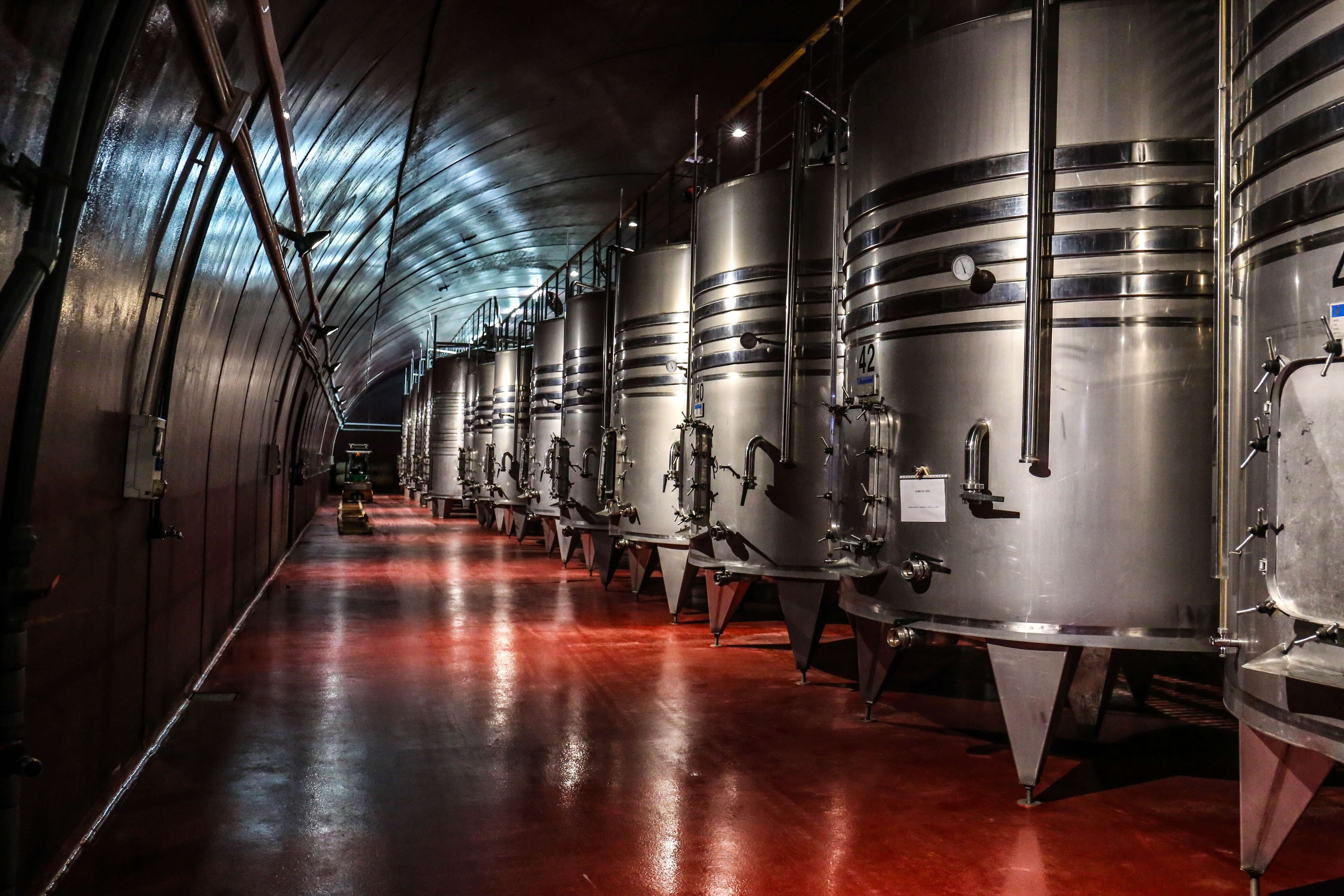
Voici une belle question qui ne manquera pas d’animer nos futures soirées dégustation ! Il est vrai que l’intelligence artificielle bouscule nos codes et nos habitudes. Elle donne l’impression d’interdire l’erreur, la subjectivité et le hasard.
Elle est surtout une réponse aux exigences croissantes des consommateurs vis-à-vis des vins. Nous aimons explorer, sommes moins fidèles aux marques. Nos grands-parents aimaient se fournir en vin chez le même vigneron chaque année, même en cas de cuvée plus moyenne que d’habitude. Nous serions sûrement moins enclins aujourd’hui à faire de même tant il y a d’offres sur le marché.
Ce qui m’amène à rappeler que ce n’est pas le vin que nous aimons, mais l’expérience autour du vin, le partage, la convivialité et les souvenirs qu’il offre. Un vigneron ou une vigneronne passionné•e reste passionnant•e, quelles que soient les technologies qu’il ou elle utilise dans ses vignes ou à la cave. Et rien ne l’empêchera jamais de faire appel à ses propres sens pour concevoir de très beaux vins !
Dans cette série d’actualité sur l’IA dans le business du vin, je vous invite également à découvrir :
Partager ce contenu